evはエレベーターのことで、車いすを利用する高齢者の多い老人ホーム等でも利用されています。今回は、そんなevの魅力について解説をしていきます。高齢者がより住みやすい環境で暮らせるようにしたい方はevを活用していきましょう。
種類も豊富で、様々な機能を有するevが販売されていて、サポート体制が充実している会社もあります。
階段を使えない高齢者をサポート
大規模な介護施設では高齢者の入居エリアが一階と二階とでフロアが分かれているところもあります。健康な高齢者ならフロア移動は階段を使って行えますが、車椅子で生活をしている高齢者の場合階段を使うことは難しいです。
そこで活用されているのがevで、evがあれば車椅子に乗ったままフロアを移動することが出来ます。介護施設では高齢者間でのコミュニケーションも多く、フロア移動することができれば、別の階で暮らす高齢者とのコミュニケーションも可能です。
また、職員が移動する際も便利なため、evは二階建て以上の老人ホームではよく設置されています。
コンパクトなevもあり
老人ホームで使われるevは人が一人や二人乗れる程度のコンパクトなものもあります。大型のevは予算がかかりますが、コンパクトevなら少ない予算でも設置が可能です。老人ホームでは介護士が働いていますが、コンパクトでも介護士と車いすに乗った利用者が同時に入れる程度のスペースは用意されていたりします。
また、車椅子に乗った高齢者が自身でevを動かせるように、ev内のボタンの位置が工夫されていたり、手すりが付いていたりとバリアフリー設計になっているものが多いです。メーカーによりサイズは異なりますので、これから老人ホーム向けのevを導入しようと考えている方は、施設に見合ったサイズの商品を選ぶようにしましょう。
色々な安全機能
老人ホームでは入居者の安全は最優先課題となってきます。
そのため、evを製造や販売しているメーカーも安全性には力を入れています。特にエレベーターの場合、扉の開閉時に挟まれてしまう心配がありますが、その際はセンサーが有効です。
メーカーによっては何本もの近赤外線センサーを取り付け、挟まれてしまう事故を防止しています。その他には、地震や台風などの自然災害で電力がストップしてしまったときのために、予備バッテリー運転が可能なevも存在します。
様々な安全機能が付いているevならより安心に利用可能です。
万全のサポート体制
ev等の機械は継続して使用していると何らかのトラブルが発生する可能性があります。その際に、重要となってくるのがサポート体制です。何かevで故障や異常が発生した際に、24時間体制でサポートしてくれるメーカーもあります。
また、故障やトラブルが起きないように、定期的にメンテナンスをしてくれる会社も多いです。毎日よくevを利用する予定なら、サポート体制をチェックして契約をするようにしましょう。
暗証番号付きの特殊なev
一般的なevには暗証番号は付いていませんが、老人ホーム向けのevには暗証番号を入力しないと利用できないevも存在します。なぜ、暗証番号が必要かというと、それは認知症等で徘徊してしまう高齢者が誤って使ってしまうことを防止するためです。
エレベーターで別のフロアに行ってしまうと、職員が探す時間もかかりますし、事故報告として記録しなければいけなかったりします。また、エレベーターを使って二階から一階に行き、そのまま施設を抜け出してしまうことも考えられるため、暗証番号はセキュリティを向上させる意味でも重要です。
特別養護老人ホームなどの、介護度が高い老人ホームでは、そのような暗証番号付きのevの導入が役立ちます。
人以外のものを運ぶ際にもevが大活躍
evが運ぶものは人だけではありません。人の他には物の運搬にも役立ちます。例えば、高齢者が日常的に利用する介護用品等を運ぶ際にevがあると運搬が楽です。階段で重たい荷物を運ぶのは大変ですので、職員の負担軽減にも繋がります。
また、食事を提供している老人ホームなら、食事もスタッフが安全に運ぶことが出来ます。
職員の身体を守り移動もスピーディーに
若い人はまだあまり気にならないかもしれませんが、階段で上り下りを繰り返すと膝や腰に負担がかかり、疲れてしまうでしょう。足腰に疲労が蓄積されてしまうと、身体を痛めてしまう可能性も増えてきます。evを利用すれば、その負担が減らせます。
さらに、evは垂直移動で、階段の上り下りをする無駄な時間を短縮できるので、一石二鳥です。介護施設において介護士は無くてはならない存在です。職員の身体を守り、業務を効率化して負担を減らすためにもevは有効です。
防犯カメラで防犯対策にも
オプションでev内に防犯カメラを設置可能なメーカーもあります。
老人ホームは沢山の人が出入りする場所ですので、不審者が入ってこないとも限りません。関連サイト-ウチシルベ ... 老人ホーム 紹介
そんなときに不審者の早期発見に繋がる防犯カメラがあれば安心です。常にエレベーターの内部を確認可能なだけではなく、録画機能を使って後から不審者の特定が出来る場合もあります。防犯を意識するなら、ev内に防犯カメラを設置することも検討してみましょう。
ちなみに、エレベーター内で火災が起きた際には、警報装置が鳴ったり異常を知らせてくれる機能がついているevもあります。
老人ホーム用のevの選び方
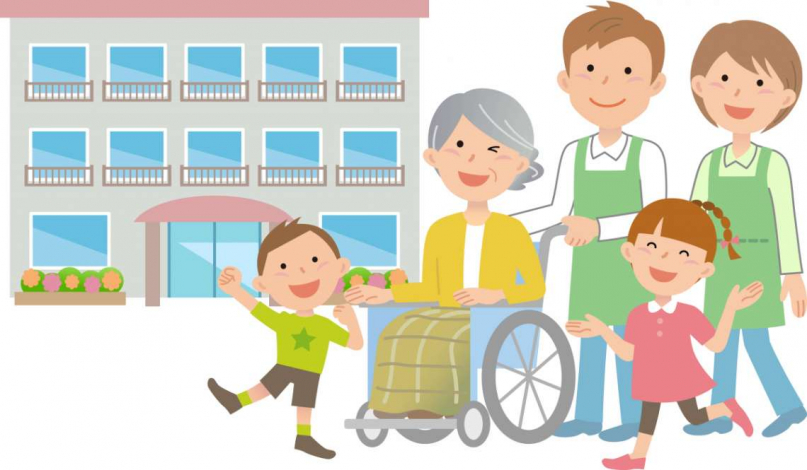
老人ホーム用のevを選ぶ際は、価格だけではなくメーカーの実績や商品の機能をよく比較することが大切です。過去に何台のevを設置してきた実績があるのかを見たり、evに搭載されている機能面に注目していきましょう。
また、機能面については省エネかどうか見たり、音声案内が付いているかどうかも見ておくと良いポイントです。evは電力を使用しますので、省エネモードが付いていれば電気代の節約になります。音声案内が付いていれば、目の不自由な高齢者も安心して乗ることができます。
注文する際にはどのようなオプションがあるかもチェックし、最適なオプションを付け加えていきましょう。その他、重量の重たい電動車椅子なども介護施設では利用されていることもあるため、最大で何キロまで乗ることが出来るのか確認しておくと安心です。
車椅子の高齢者がいるならev
車椅子の方は階段の上り下りが困難ですので必然的にevが重要になってきます。特に老人ホームでは車椅子の高齢者が多いのでevは無くてはならない存在です。evを活用して、車椅子の高齢者が生活しやすいようにしていきましょう。
また、施設で働く職員にとってもevがあると何かと便利になってきます。機能豊富な最新evにも注目です。